Dollars After the Door Closes: An Honest Look at Tipping in the American Companion Economy
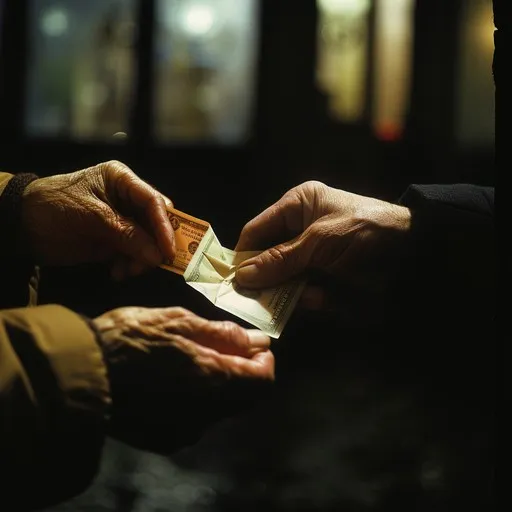
Photo: elegant hands exchanging folded cash tip dark upscale hotel room, via images.stockcake.com
Every American client has faced the same quiet dilemma. The booking went well. The companion was professional, warm, and worth every dollar of her stated rate. Now you're getting dressed, wondering the thing nobody writes about: do you tip?
In a country where a tablet at the sandwich counter prompts you for a 22% gratuity, the silence around companion tipping feels almost absurd. So let's talk about it plainly.
Why the Question Is Harder Than It Looks
In restaurants, tipping compensates for a below-minimum base wage. In the companion industry, the stated rate is the compensation — a full, agreed-upon professional fee. There is no wage gap being bridged. That changes the entire moral calculus.
A tip, then, is not an obligation. It is a signal. And like any signal, it matters most when it's voluntary and legible.
When a Gratuity Actually Means Something
Ask a dozen companions and you'll hear the same theme: the tips that stick in memory are rarely the largest. What registers is unprompted generosity attached to genuine appreciation.
The moments that tend to matter:
- After an extended booking. Multi-day or overnight arrangements involve significantly more emotional labor than the hourly math suggests. A gratuity here acknowledges the marathon, not just the meter.
- When she accommodated something unusual. A last-minute schedule change, a difficult venue, a demanding travel day. Tipping after flexibility says "I noticed."
- Around the holidays. For clients who see the same companion regularly, a December gesture — cash, a gift card, something personal she's mentioned — is an established and appreciated tradition.
- After she went out of her way professionally. Impeccable preparation, exceptional discretion, handling an awkward situation with grace.
How Much Is Appropriate?
There is no standard percentage, and anyone who tells you there is one is guessing. That said, patterns exist in client behavior:
- Round up meaningfully. Adding $100 to a $600 booking reads as a tip. Adding $20 reads as loose change in a jacket pocket.
- For repeat clients, 10–20% after exceptional bookings is a common and well-received range.
- Gifts can outperform cash. A thoughtful gift tied to something she's mentioned — a book, a bottle from a region she loves — often carries more weight than its dollar value.
The key is proportionality. A tip should feel like gratitude, not a transaction amendment.
Where Tipping Goes Wrong
Not every gesture lands. A few genuine missteps:
Tipping as leverage. Money offered mid-booking with an implied "and what does this get me?" isn't a gratuity — it's an attempted renegotiation, and it's one of the fastest ways to sour a professional relationship. Rates were settled before the door closed.
Tipping instead of basic respect. No gratuity compensates for showing up late, unwashed, or rude. Companions consistently say the same thing: they'd take a polite client who doesn't tip over a generous one who's difficult.
Making a production of it. Sliding cash across the table with a speech creates an awkward moment she now has to manage. If you're going to tip, do it simply — handed over with a thank-you, or left discreetly with a note.
Assuming it buys standing. A tip earns goodwill, not entitlement. It doesn't convert a professional arrangement into something it wasn't, and treating it as though it does will end a rebooking relationship quickly.
The Non-Monetary Tip Economy
Here's what rarely gets said: the most valued "tips" in this industry frequently cost nothing. Punctuality. Written feedback when she requests a review. Remembering details from previous conversations. Rebooking rather than ghosting. Referring a well-vetted friend.
Companions operate on reputation and repeat business. A client who is easy, reliable, and respectful is worth more to her over a year than any single gratuity — and she knows which clients those are.
The Bottom Line
So, do you tip? If the booking was exactly what you paid for, no — the rate covered it, and a warm thank-you is entirely sufficient. If she delivered something beyond the arrangement, or absorbed inconvenience on your behalf, a gratuity is a clean and appreciated way to say so.
Treat it the way you'd treat tipping a private chef or a tailor: optional, proportional, and never a substitute for good manners. In an industry built on discretion and professionalism, the best gratuity is simply being the kind of client worth tipping for.